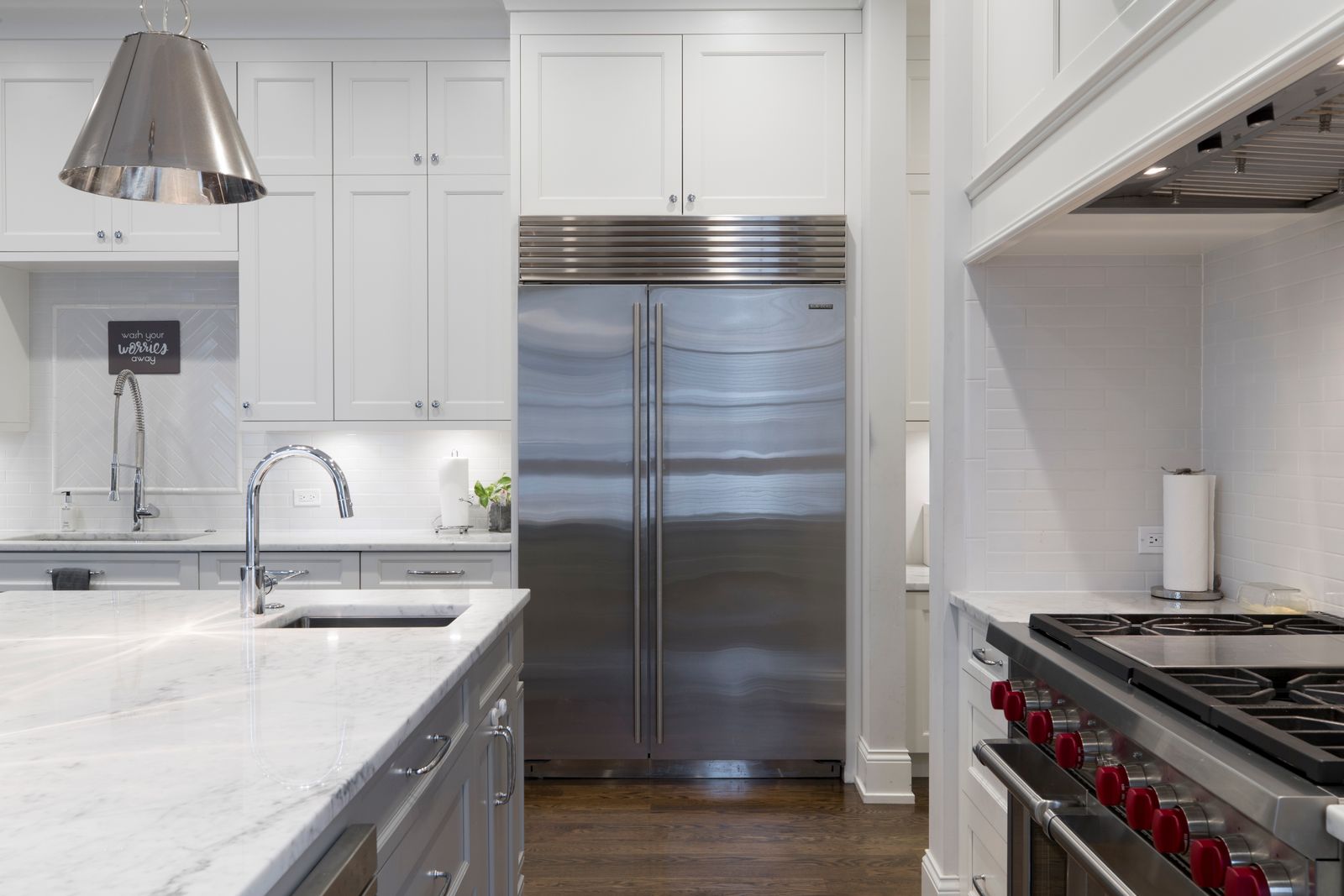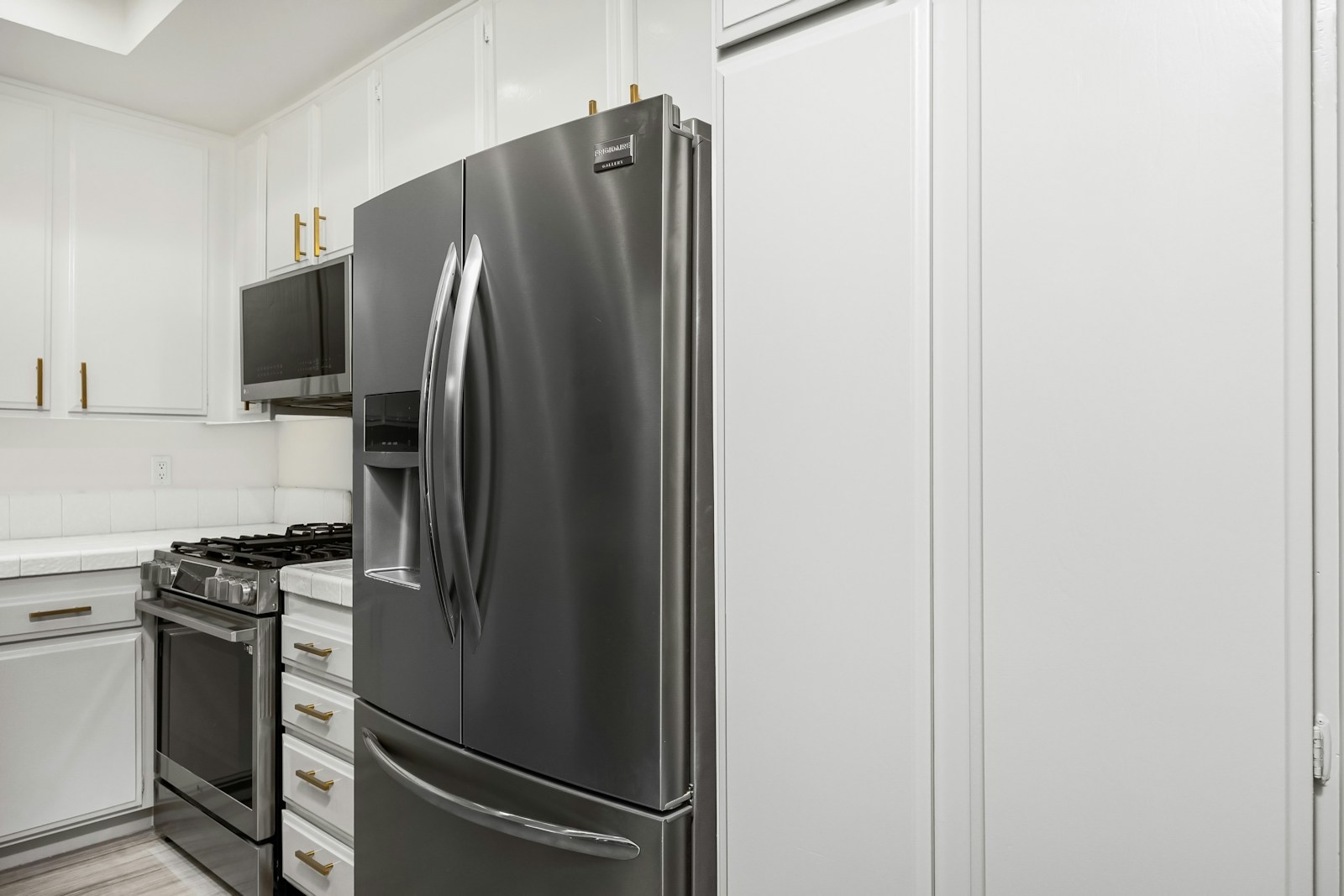
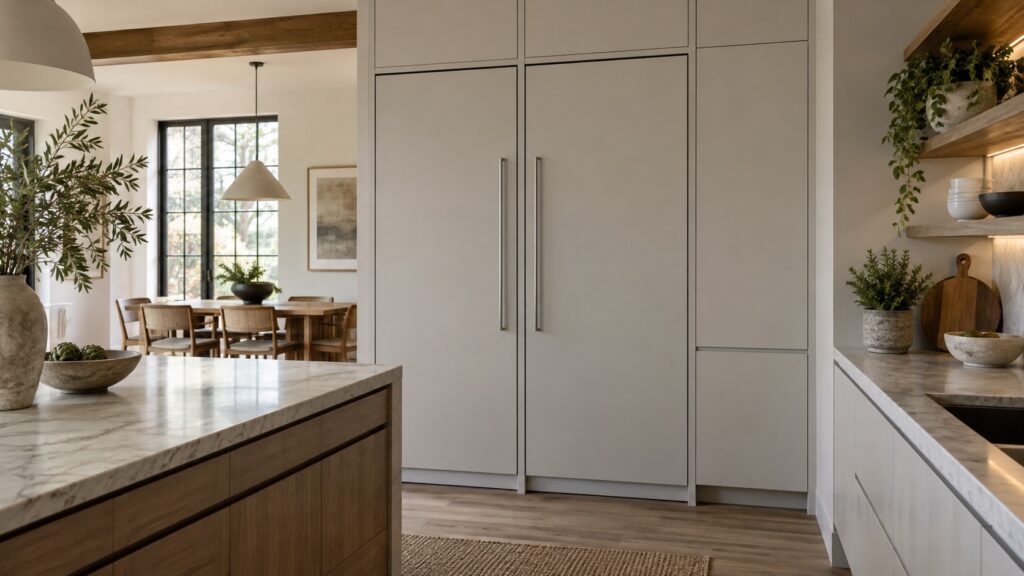
Choosing Liebherr monolith columns over a single combination appliance is a kitchen decision as much as an appliance one. Columns are separate refrigeration and freezer units, each full height, each built into its own opening and each holding one temperature properly. A combination appliance puts both in one cabinet. Both approaches work; they suit very different kitchens, budgets and service futures. This guide sets out the differences that actually matter.
What columns actually buy you
Capacity where you need it. A household that freezes in bulk, buys half a lamb or cooks in batches can pair a large freezer column with a smaller refrigerator; one that shops fresh every few days can do exactly the opposite. A combination appliance gives you whatever split the manufacturer chose.
Independent conditions. Each column holds its own temperature and humidity with its own system, so neither compartment is compromised for the other, and a door opened on one does not affect the other at all.
Placement freedom. Columns can sit side by side as a single tall run, or be separated — refrigeration by the prep area, freezer near the pantry. That flexibility is the reason many designers reach for them.
Service resilience. If one column fails you still have the other, which in a large household is the difference between an inconvenience and an emergency. Our guide on repairing or replacing a column covers what a failure looks like on these units.
What a combination unit does better
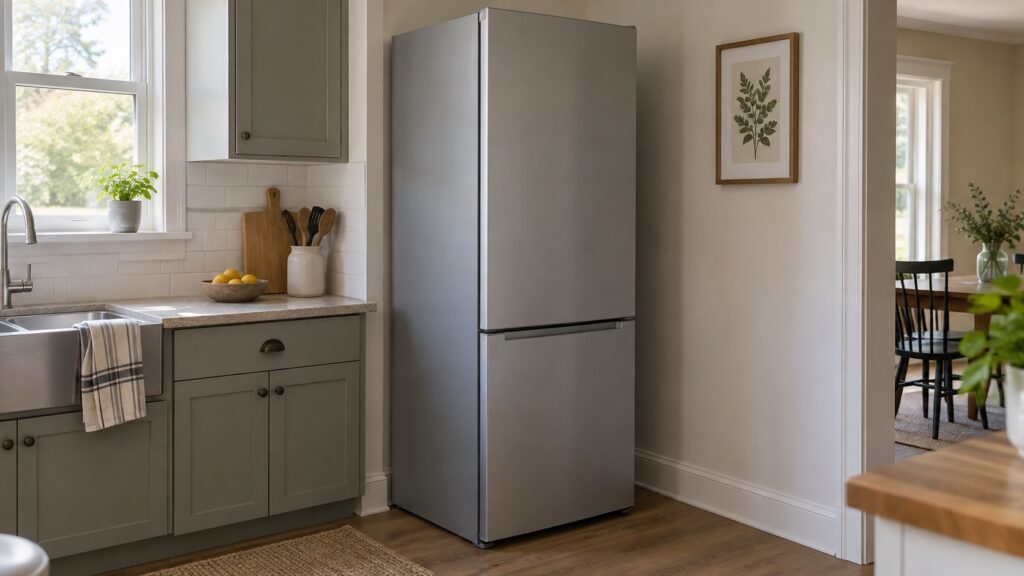
Price. One appliance, one opening, one panel, one installation. For most kitchens this is the decisive argument, and there is nothing wrong with it.
Space. Two columns need a long, uninterrupted run of wall. A kitchen that cannot give up that much width has made the decision already.
Simplicity. One set of controls, one filter schedule, one appliance to keep clean. Two of everything is genuinely two of everything.
Installation. A single opening is easier to build accurately than two adjacent ones that must line up to the eye. Reveal lines between two columns are unforgiving of a cabinet that is out by a fraction, and our guide on combining columns covers the trim and clearance detail that job needs.
The costs people forget
None of this makes columns a bad choice. It makes them a choice to be made at the design stage rather than during a kitchen refresh, because retrofitting two openings into a finished run is rarely worth the result.
Noise is worth thinking about too, and it cuts both ways. Two appliances make two sets of compressor and fan noise, which in an open-plan kitchen is genuinely more than one — but each runs less hard than a single cabinet doing both jobs, so the peaks are lower. In practice the deciding factor is placement: a column against a wall shared with a quiet room will be noticed whichever configuration you chose, and a pair sited on an internal wall usually disappears into the background of a working kitchen.
Think about the ten-year view
Refrigeration appliances are replaced one day. With a combination unit that day replaces everything at once, and the replacement must fit the same opening or the cabinetry changes. With columns, a failure or an upgrade can be handled one unit at a time, and a matching column is easier to source than an identically sized combination appliance.
The counterweight is that two appliances have twice the components. Two compressors, two fans, two control boards. Over a decade that means more service events in total, even if each one costs less and leaves you with a working half.
Who should choose which
Choose columns if you are building or fully renovating, you want a specific capacity split, you entertain or cook in volume, and the wall length exists. Choose them also if losing all cold storage at once would be a genuine problem for the household.
Choose a combination unit if the kitchen has one appliance-sized space, if the budget is better spent elsewhere, or if simplicity appeals. The comparison between built-in and freestanding versions is a separate question, covered in our guide on integrated versus freestanding.
Whatever you choose, get the niche right
The single biggest determinant of how a built-in appliance performs is the ventilation path in its niche. Air has to reach the machine compartment and leave above it, and a beautifully made cabinet that seals the appliance in will produce an appliance that runs long, runs warm and gets blamed for it. Build to the manual, keep the grille clear afterwards, and follow the routine in our guide on annual maintenance.
If the decision is genuinely close, let the wall length settle it. Two columns want a long uninterrupted run and look deliberate when they get one; squeezed into a space that barely fits, they crowd the kitchen and lose the elegance that was the reason for choosing them. A single cabinet in a well-proportioned niche looks better than two columns in a tight one, and that is an argument about the room rather than about refrigeration.
When to call
Call when an installed column will not hold temperature, when one of a pair runs noticeably harder than the other, when doors will not align after panels are fitted, or when you want the niches and services checked before expensive appliances are ordered. Design-stage advice is cheap, and carpentry after delivery is not — especially when two openings have to line up with each other as well as with the run of cabinets around them.
We are an independent repair company and not a factory service arm. Pricing starts from a diagnostic visit, and we confirm the estimate before any work begins. Liebherr column repair covers compressors, fans, sensors, defrost systems and door hardware, and you can schedule a visit online.