Liebherr HydroSafe and DrySafe are the two humidity settings of a BioFresh drawer: HydroSafe keeps the air in the drawer humid for fruit and vegetables, and DrySafe keeps it drier for meat, fish and dairy. Both sit in the cold zone just above freezing, so the choice you make with the slider decides how long different foods keep their texture, not how cold the drawer is.
What do HydroSafe and DrySafe mean on a Liebherr refrigerator?
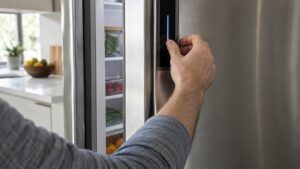
They are Liebherr brand names for two humidity modes in the same kind of drawer. A BioFresh drawer is a sealed, shallow compartment that runs colder than the rest of the fridge. Inside it, a slider adjusts how much air can move through, which changes the humidity around the food. HydroSafe is the setting for high humidity. DrySafe is the setting for low humidity. The names appear on the drawer, in the owner’s manual, and in the product description, and they often show up together in search because owners are not sure which one to choose.
The two names do not describe two different appliances or two different cooling systems. They describe the position of the control on the drawer. If you want a deeper explanation of the cold zone itself, our guide to how BioFresh works and the BioFresh glossary entry cover the temperature side, and this page covers the humidity side.
Which foods belong in HydroSafe and which in DrySafe?
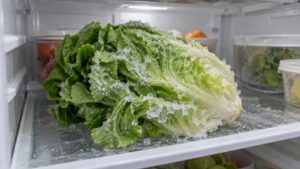
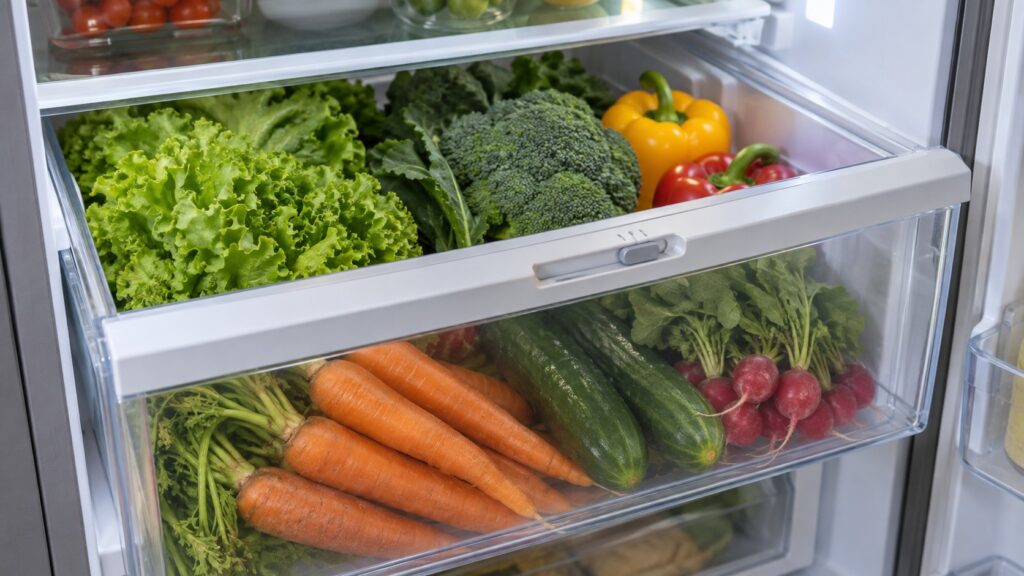
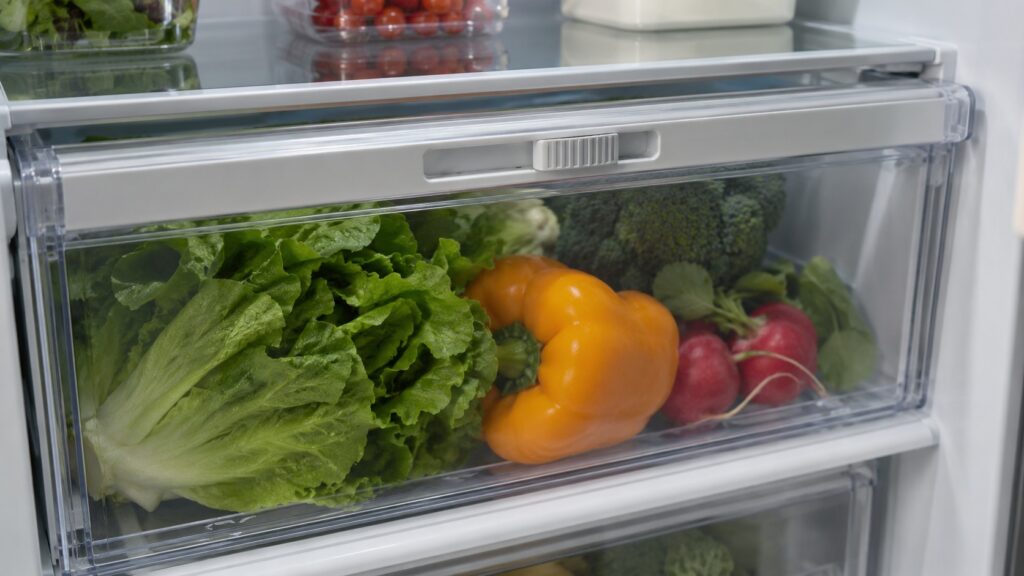
Match the setting to how the food loses quality. Fresh produce is mostly water, and it wilts when the air around it is dry, so lettuce, herbs, broccoli, carrots and berries do best in HydroSafe. Meat, fish, cured products and many dairy items spoil faster when moisture collects on their surface, so they do better in DrySafe, where the air is drier and the temperature stays low.
- Put leafy greens, herbs, cucumbers, peppers and most berries in HydroSafe.
- Put fresh meat, fish, poultry and sliced deli meats in DrySafe.
- Put hard cheese and butter in DrySafe, and keep strongly scented foods wrapped.
- Keep fruit that releases a lot of ripening gas apart from sensitive vegetables, since mixing them in one drawer shortens the life of the greens.
When in doubt, treat the drawer as two drawers. Many Liebherr models have a pair of BioFresh drawers, so you can set one to each mode and sort by food type rather than fiddle with the slider each week.
Why does the humidity setting matter for freshness?
Food keeps best when it neither dries out nor sits in condensation. A high-humidity drawer slows the loss of water from vegetables, which keeps them crisp for longer than they stay in a standard crisper. A low-humidity drawer keeps surfaces drier, which slows the growth of bacteria and mold on meat and fish. Because both drawers also sit in a colder zone than the main compartment, the effect adds up, which is why shelf life claims for BioFresh are measured in days and weeks, not hours.
It is worth saying that the manufacturer’s shelf life figures describe ideal conditions. Your results depend on how fresh the food was when it went in, how often the drawer opens, and whether the door seals are sound. Treat any claim as a guide and use the usual judgment about smell and appearance. If you find that food spoils faster than you expect, look at the temperature and the seals before you blame the humidity setting.
How do HydroSafe and DrySafe relate to BioFresh Plus and EasyFresh?
BioFresh Plus adds a second cold zone on some models, where the drawer can run at a temperature even closer to freezing. The humidity choice still applies to the BioFresh part, so HydroSafe and DrySafe remain the vocabulary. Our BioFresh Plus entry explains the extra zone. EasyFresh, on the other hand, is a simpler arrangement for models without a full BioFresh drawer, and our EasyFresh vs BioFresh guide shows how the two differ. If your fridge has only a standard crisper with a humidity slider, the same logic applies in a milder way.
What goes wrong with a humidity drawer?
The usual problems are mechanical and simple. A slider that sticks, a drawer that does not seat fully, or a cracked rail stops the drawer from sealing, so the humidity setting no longer does anything. Condensation or droplets inside the drawer usually mean the slider is on the wrong setting for what is in it, or the drawer is overfilled and blocks the airflow. A drawer that is warmer than expected points to a different issue, such as a failing seal, a blocked vent or a sensor problem, and those deserve a closer look. Wipe the drawer with mild soap and water on a regular schedule and dry it before it goes back in, as our guide to cleaning a BioFresh drawer describes.
If the temperature in the drawer will not stay where it should, do not keep adjusting the slider. Our refrigerator repair service page explains how a visit works, and a technician can test the sensor and the seals directly.