Understanding Liebherr wine refrigeration
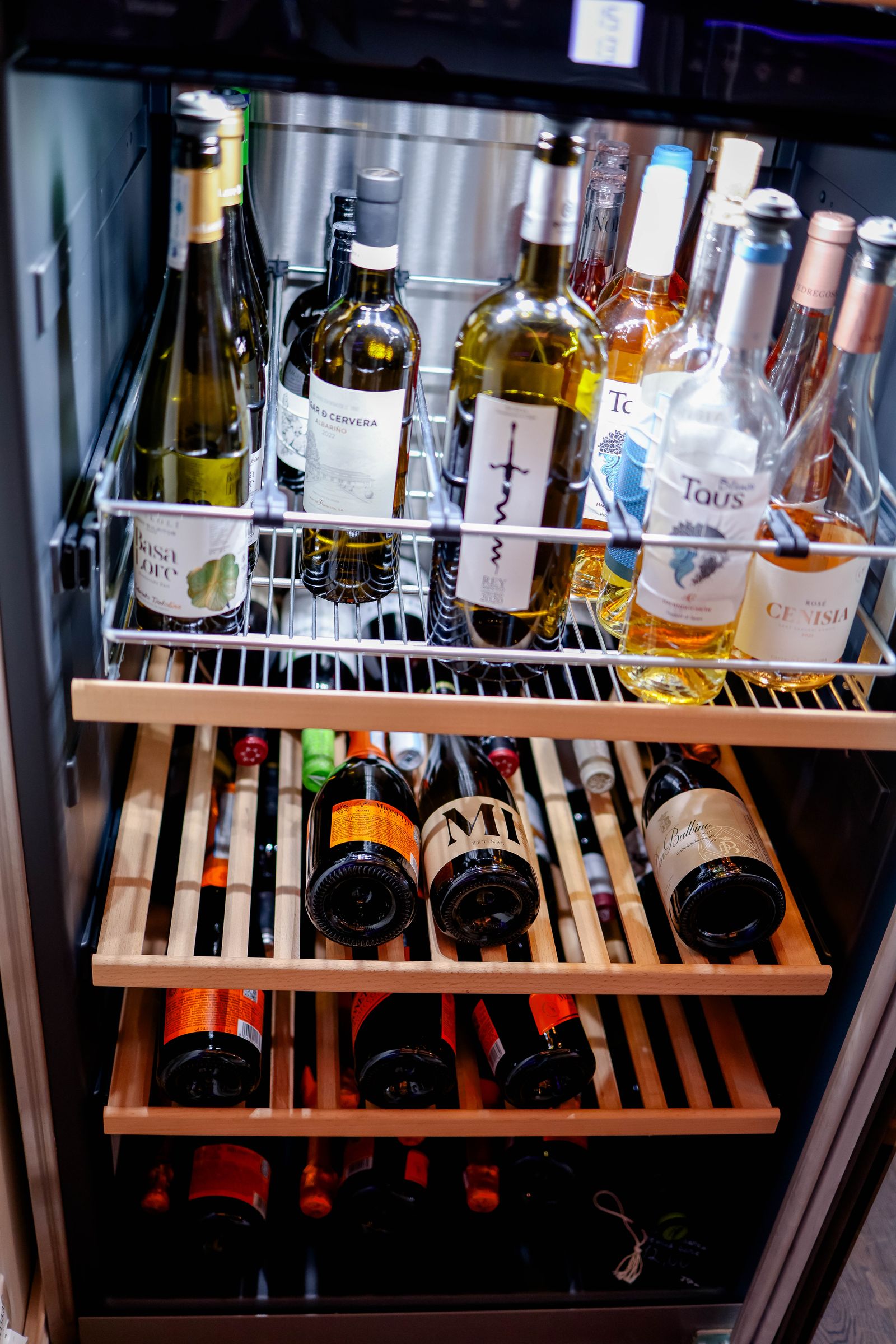
Liebherr wine refrigeration repair and guidance cover the brand’s entire wine-storage range, because choosing and maintaining the right unit matters as much as fixing it. Liebherr makes three distinct families: Vinidor multi-temperature units for serving reds and whites at once, GrandCru single-temperature cabinets for long-term aging, and the economical Vinothek line. All share the engineering that protects wine — UV-protected tinted glass doors, activated-charcoal FreshAir filters that keep the air clean, vibration-damping compressor mounts so sediment is not disturbed, and humidity control that keeps corks supple. This umbrella category is where we explain how those technologies work and which unit suits a given collection, rather than duplicating the specific cabinet or fridge service pages.
Single-temperature versus multi-temperature
The single most important choice is between single-temperature and multi-temperature storage. A single-temperature unit holds one steady setpoint, ideal for laying bottles down to age over years, and is the design behind the large GrandCru and Vinothek cabinets. A multi-temperature Vinidor unit runs two or three independent zones so reds rest near 16°C while whites and sparkling wines sit cooler, ready to serve. Running the wrong type at a compromise temperature is a common avoidable mistake. If you want a serving-focused unit for everyday entertaining, see our wine fridge repair page; for a cellar-replacement aging unit, see wine cabinet repair. Both are served by the same certified technicians.
Common Liebherr wine refrigeration repair problems
Across the range, the most frequent Liebherr wine refrigeration repair calls involve a cabinet drifting off its setpoint with an E0, HI, or LO alarm, an F-series sensor fault on the display, low humidity drying the corks, excess vibration reaching the bottles, and a charcoal FreshAir filter past its service interval. A unit that will not hold temperature is traced to a drifted sensor, a weak compressor, a sealed-system loss, or a condenser starved of airflow in a built-in niche. Vibration usually means worn anti-vibration mounts or a loose condenser fan, and low humidity follows a spent buffer or an air leak past a worn gasket. A DOR alarm during frequent access points to a gasket that no longer reseals or a failed door switch. Because the wine units are electronic, temperature and door alarms are read directly on the display and explained on our wine error-code guides, then confirmed by testing the named component before any part is recommended.
Maintenance for any wine unit
Whatever the series, a few habits keep a wine unit reliable. Replacing the activated-charcoal FreshAir filter on schedule keeps the stored air clean and protects the wine from taint. Keeping the condenser airflow clear — especially on built-in units in a tight niche — lets the sealed system hold a steady temperature without overworking, which both protects the wine and keeps the compressor running quietly. Confirming the unit is levelled and its vibration-damping feet are intact protects aging bottles from disturbed sediment, and wiping the door gasket keeps the UV-protected glass sealing flush so light and warmth stay out of the cabinet. Not overloading the wooden shelves preserves smooth airflow around the bottles, and checking the humidity buffer keeps corks from drying out over time. If a model number is to hand, our model pages list the filters, shelves, and parts matched to each wine unit.
Service, parts, and coverage
Repairs use genuine OEM sensors, fans, filters, gaskets, shelves, and control boards matched to the specific Vinidor, GrandCru, or Vinothek model. Our certified technicians cover all 50 states and 120+ metro areas, and the scheduling page accepts bookings 24/7, with same-day visits where availability allows. Diagnostic visits start from $129; the final cost depends on the parts and the unit involved. The full wine range and specifications are published by the manufacturer at liebherr.com. Once you know whether you need aging or serving storage, the wine cabinet and wine fridge pages cover each in depth.